
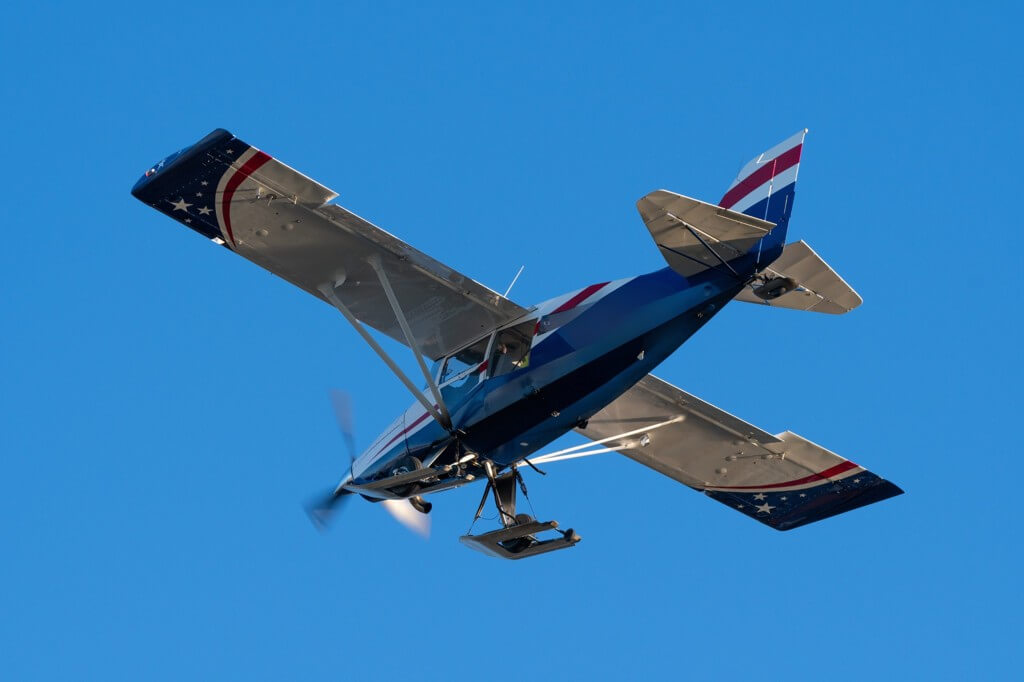
Maule owners are a different breed of aircraft owner.
Most didn’t buy a Maule because it was the easiest airplane to fly.
They didn’t buy it because it was the fastest airplane available.
And they certainly didn’t buy it because it looked good sitting on a ramp.
They bought it because they wanted capability.
They wanted an aircraft that could take them places many airplanes simply cannot go.
That capability is one of the reasons insurance companies pay close attention when underwriting Maule aircraft.
The good news is that many of the factors insurance companies use to evaluate risk are completely within your control.
At BWI Aviation Insurance, we’ve helped insure aircraft owners across the country, including many pilots flying Maule aircraft in the Lower 48, Alaska, mountain environments, and backcountry operations.
Over the years, we’ve noticed something interesting.
The pilots who consistently receive the strongest insurance outcomes are often doing the same things.
If you’re looking to improve your insurance profile and potentially reduce your long-term insurance costs, these are some of the most effective strategies available:
- Build More Tailwheel Time
If there is one factor that consistently improves a Maule owner’s insurance profile, it’s tailwheel experience.
Insurance companies know that tailwheel aircraft require:
- Better directional control
- More precise landing technique
- Greater crosswind proficiency
- Better ground handling skills
A pilot with:
- 500 tailwheel hours
will generally be viewed much differently than a pilot with:
- 25 tailwheel hours
Even if total flight time is similar.
For many Maule owners, building tailwheel experience is the single most effective way to improve long-term insurability.
- Build More Time In A Maule
Insurance companies love aircraft-specific experience.
Why?
Because they know pilots become more comfortable and proficient as they accumulate time in a specific aircraft.
Common Maule models include:
- M-4
- M-5
- M-6
- M-7
- M-8
- M-9
- MX-7
- MT-7
- MXT-7
A pilot with hundreds of hours in a Maule is often viewed more favorably than a pilot with extensive experience in other aircraft but very little Maule time.
Time in type creates confidence.
- Get Formal Backcountry Training
Many Maule owners eventually find themselves operating from:
- Short strips
- Gravel bars
- Mountain airstrips
- Ranch strips
- Hunting camps
Insurance companies understand this.
They are not necessarily concerned about backcountry flying itself.
What they want is a pilot who has been trained properly.
Professional backcountry instruction demonstrates:
- Judgment
- Risk management
- Operational discipline
All things insurance companies value.
- Fly More Frequently
Many owners focus on lifetime hours.
Insurance companies often focus on recent hours.
A pilot who flew:
- 150 hours last year
is generally viewed differently than a pilot who flew:
- 10 hours last year
Why?
Because proficiency is perishable.
Insurance companies know active pilots often maintain stronger skills than inactive pilots.
Regular flying improves underwriting confidence.
- Complete Annual Recurrent Training
Training remains one of the easiest ways to improve an insurance profile.
Insurance companies consistently reward pilots who participate in:
- Flight reviews
- Tailwheel instruction
- Recurrent training
- Safety seminars
- Mountain flying programs
- Backcountry programs
Pilots who actively train often receive stronger underwriting outcomes than pilots who simply meet minimum FAA requirements.
- Earn Your Instrument Rating
Many Maule owners assume instrument ratings only matter for transportation aircraft.
That’s a mistake.
Insurance companies consistently favor instrument-rated pilots.
The rating demonstrates:
- Additional training
- Better weather judgment
- Greater proficiency
- Commitment to aviation safety
Even if you rarely fly IFR, an instrument rating often strengthens your insurance profile.
- Review Your Hull Value Annually
One of the most overlooked insurance mistakes involves aircraft value.
Many Maule owners continue carrying values that no longer reflect reality.
Today’s market includes aircraft ranging from:
- Basic legacy aircraft
- Heavily modified backcountry aircraft
- Highly upgraded glass-panel aircraft
Hull value directly affects premium.
Reviewing value annually helps ensure you are neither overinsured nor underinsured.
- Document Your Experience Properly
Insurance companies can only evaluate what they can verify.
Pilots who maintain detailed records of:
- Tailwheel time
- Maule time
- Backcountry training
- Mountain flying experience
- Recent flight activity
often position themselves more favorably during underwriting.
Good documentation creates confidence.
And confidence creates competition.
- Keep A Clean Claims History
Nothing impacts insurance pricing more consistently than claims history.
Insurance companies carefully evaluate:
- Previous claims
- Frequency of claims
- Severity of claims
- Recency of losses
Pilots with clean records often benefit from:
- Better pricing
- More carrier options
- Greater underwriting flexibility
Long-term, avoiding claims is one of the most effective ways to lower insurance costs.
- Work With An Aviation Insurance Specialist
Not every insurance agent understands backcountry aircraft.
And not every aviation insurance agency understands Maule operations.
Different insurance companies often have different appetites for:
- Tailwheel aircraft
- Alaska operations
- Backcountry flying
- Mountain operations
- Utility aircraft
An aviation insurance specialist can often identify opportunities that general insurance agencies simply miss.
That market knowledge matters.
Get Your Maule Aircraft Insurance Quote With BWI Today>>
Common Mistakes That Increase Maule Insurance Premiums
Many owners unknowingly make underwriting more difficult.
Common mistakes include:
- Flying very little each year
- Limited tailwheel experience
- No recurrent training
- Poor documentation
- Incorrect hull values
- Transitioning into a Maule without instruction
- Overestimating personal experience
Fortunately, most of these issues are fixable.
What The Best Maule Risks Have In Common
After reviewing thousands of utility aircraft policies over the years, the strongest insurance risks often share several characteristics.
They typically have:
- Significant tailwheel time
- Time in make and model
- Backcountry training
- Mountain flying experience
- Instrument ratings
- Recent flight activity
- Clean claims histories
These characteristics consistently attract carrier interest.
Why Today’s Market Is Favorable For Qualified Maule Owners
Insurance companies continue to compete aggressively for experienced owner-flown aircraft.
Pilots who combine:
- Experience
- Training
- Good records
- Clear mission profiles
often find today’s market considerably more favorable than the market that existed several years ago.
For qualified owners, competition remains healthy.
Why Maule Owners Trust BWI
BWI Aviation Insurance helps aircraft owners throughout the country secure coverage for specialized aircraft.
Whether you fly an M-4, M-5, M-6, M-7, M-8, M-9, MX-7, MT-7, or MXT-7, our team understands the underwriting factors that influence pricing and carrier appetite.
We work with leading aviation insurance companies and help owners compare options based on their aircraft, experience level, and mission profile.
Final Thoughts
Most aircraft owners spend their time looking for cheaper insurance.
The smartest owners spend their time becoming better insurance risks.
Insurance companies consistently reward:
- Experience
- Tailwheel proficiency
- Training
- Risk management
- Clean claims histories
The good news is that most of those factors are within your control.
By focusing on the things that matter most to underwriters, you can improve your insurability, strengthen your coverage options, and potentially reduce your insurance costs for years to come.
And that’s a strategy that benefits every Maule owner, whether you fly from a paved runway, a mountain strip, or a gravel bar in the middle of nowhere.
bwifly.com / 800-666-4359
Continue Reading