
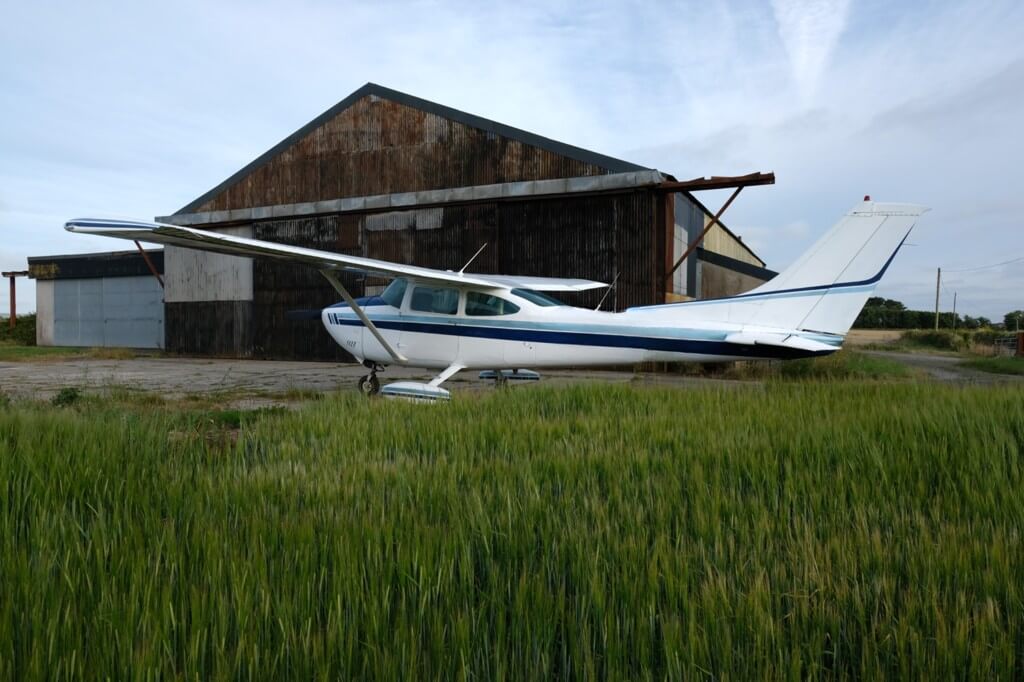
The Cessna 182 is one of the most insurable aircraft in general aviation.
That surprises many owners.
After all, the Skylane is used for everything from local recreational flying to serious IFR travel, mountain flying, backcountry operations, business transportation, and family vacations.
The aircraft itself is incredibly versatile.
So why can one Cessna 182 owner receive multiple competitive insurance quotes while another owner struggles to find options?
The answer is simple.
Insurance companies are not just evaluating the airplane.
They’re evaluating the entire risk.
At BWI Aviation Insurance, we analyzed hundreds of Cessna insurance renewals during the first quarter of 2026 representing more than $2.2 million in annual premium volume.
The Cessna family represented the single largest aircraft segment within our Q1 2026 Premium Intelligence Report.
After reviewing thousands of Skylane policies over the years, one thing becomes very clear:
The pilot often matters more than the airplane.
Understanding how underwriters think can help you position yourself for better coverage, stronger carrier competition, and potentially lower long-term insurance costs.
The First Thing Underwriters Evaluate Is The Pilot
Many aircraft owners assume the insurance company is primarily concerned with the aircraft.
In reality, underwriters usually spend far more time evaluating the pilot.
Consider two examples.
Pilot A owns a Cessna 182T.
He has:
- 2,500 hours total time
- Instrument rating
- 600 hours in Cessna 182s
- Annual recurrent training
- No claims
- 100 hours flown last year
Pilot B owns the same aircraft.
He has:
- 250 hours total time
- No instrument rating
- 10 hours in type
- No recurrent training
- Limited recent flight activity
Those pilots represent very different risks.
The airplane didn’t change.
The pilot did.
That difference often has a greater impact on insurance pricing than the aircraft itself.
Total Flight Time Still Matters
One of the first numbers underwriters review is total flight time.
There is no magic number.
However, experience matters.
Insurance companies understand that pilots with greater experience have generally encountered:
- More weather situations
- More operational challenges
- More aircraft systems issues
- More real-world decision-making opportunities
A pilot with 2,000 hours generally presents a different risk profile than a pilot with 200 hours.
This doesn’t mean lower-time pilots can’t obtain excellent coverage.
It simply means additional underwriting scrutiny may occur.
Time In Make And Model
After reviewing total flight time, many underwriters immediately look at time in make and model.
For Skylane owners, this is often a major factor.
Aircraft commonly evaluated include:
- 182P
- 182Q
- 182R
- 182RG
- 182S
- 182T
- R182
- T182
- T182T
- TR182
- F182Q
- FR182
- J182T
Insurance companies know that aircraft-specific experience matters.
A pilot with hundreds of hours in a 182 generally presents a different risk than someone transitioning into the aircraft for the first time.
Even experienced pilots often receive additional scrutiny when moving into a new aircraft type.
Instrument Ratings Carry Significant Weight
One of the most valuable qualifications a Skylane owner can possess is an instrument rating.
Insurance companies consistently favor instrument-rated pilots.
Why?
Because the rating demonstrates:
- Additional training
- Better weather decision making
- Greater proficiency
- Stronger commitment to aviation safety
The Cessna 182 has become one of the most popular IFR platforms in general aviation.
Many owners routinely fly:
- Business trips
- Family vacations
- Long cross-country flights
- Multi-state travel
Insurance companies know this.
Instrument-rated pilots often receive stronger underwriting consideration because they are viewed as better prepared for those missions.
Recent Flight Activity Matters More Than Many Owners Realize
One of the biggest surprises for pilots is how much underwriters care about recent activity.
Insurance companies understand that proficiency is perishable.
A pilot who has 3,000 total hours but only flew 5 hours last year may create more concern than a pilot with 1,200 total hours who flew 100 hours recently.
Underwriters often review:
- Hours flown in the past 12 months
- Recent instrument experience
- Recent 182 experience
- Overall recency of activity
Consistent flying often creates confidence.
And confidence creates competition among insurance carriers.
Claims History Is Still King
Nothing influences underwriting decisions more consistently than claims history.
Insurance companies carefully review:
- Previous claims
- Loss frequency
- Loss severity
- Recency of losses
Pilots with clean records often benefit from:
- Better pricing
- More carrier options
- Greater underwriting flexibility
A claim does not automatically make insurance difficult.
However, it frequently generates additional questions and underwriting scrutiny.
Insurance companies view prior losses as one of the strongest predictors of future outcomes.
Aircraft Value Has Become Increasingly Important
One of the biggest trends affecting Skylane owners today is rising aircraft values.
Consider the range of values currently seen within the 182 market.
An older 182P may be insured for:
- $125,000
- $150,000
- $175,000
A modernized 182Q may be insured for:
- $225,000
- $275,000
- $325,000
A newer 182T may be insured for:
- $500,000
- $600,000
- $700,000+
The insurance company’s exposure changes dramatically as aircraft value increases.
As a result, premiums often increase even when the pilot remains exactly the same.
Retractable Gear Aircraft Receive Additional Attention
Models such as:
- 182RG
- R182
- TR182
introduce additional underwriting considerations.
Insurance companies understand that retractable gear aircraft historically generate certain types of claims, including:
- Gear-up landings
- Gear collapse incidents
- Gear extension problems
Because of this, underwriters often pay closer attention to:
- Retractable gear experience
- Aircraft-specific training
- Time in type
However, qualified pilots generally continue to find strong carrier interest.
Turbocharged Aircraft Are Not A Problem
Many pilots assume turbocharged aircraft are difficult to insure.
That’s usually not true.
Aircraft such as:
- T182
- T182T
- TR182
often receive favorable underwriting treatment when the pilot has:
- Appropriate experience
- Instrument proficiency
- Strong training history
Insurance companies are not afraid of turbocharged aircraft.
They simply want to know the pilot can operate them safely.
Training Creates Confidence
Few things create underwriting confidence like training.
Insurance companies consistently reward pilots who participate in:
- Flight reviews
- Recurrent training
- Safety seminars
- Simulator programs
- Transition training
Training reduces uncertainty.
And underwriters dislike uncertainty.
Pilots who actively invest in proficiency often receive stronger underwriting consideration than those who simply meet minimum FAA requirements.
Aircraft Usage Matters
Insurance companies also evaluate how the aircraft is used.
Common questions include:
- Personal use?
- Business use?
- International travel?
- IFR operations?
- Mountain flying?
- Backcountry operations?
Different missions create different risk profiles.
Understanding how the aircraft is operated helps underwriters evaluate exposure more accurately.
Get Your Cessna 182 Aircraft Insurance Quote With BWI Today>>
What The Best Cessna 182 Risks Have In Common
After reviewing thousands of Skylane policies, certain patterns consistently emerge.
The strongest insurance risks often have:
- Instrument ratings
- Significant 182 experience
- Clean claims histories
- Annual recurrent training
- Strong recent flight activity
- Accurate logbooks
- Stable ownership histories
These characteristics create confidence among insurance companies.
And confidence often leads to better insurance outcomes.
Why The Cessna 182 Remains One Of The Most Insurable Aircraft In Aviation
Insurance companies generally like Skylanes.
The aircraft offers:
- Predictable handling
- Extensive operating history
- Strong safety record
- Large owner base
- Excellent training resources
Combined with experienced pilots, those characteristics create attractive insurance risks.
This is one reason the 182 remains one of the most popular aircraft in general aviation.
Why Thousands Of Cessna Owners Trust BWI
BWI Aviation Insurance has helped thousands of Cessna owners secure coverage for their aircraft.
Whether you fly a 182P, 182Q, 182RG, 182S, 182T, R182, or T182T, our team understands the underwriting factors that influence pricing and carrier appetite.
We work with leading aviation insurance carriers and help aircraft owners compare options based on their specific aircraft, experience level, and mission profile.
Final Thoughts
Many Skylane owners assume insurance pricing is based primarily on the airplane.
The reality is very different.
Underwriters spend much of their time evaluating the pilot.
Experience, training, instrument proficiency, recent flight activity, claims history, aircraft value, and operational discipline all play major roles.
The good news is that many of those factors are within your control.
Understanding how insurance companies evaluate risk can help you become a stronger insurance prospect, improve your long-term insurability, and potentially secure better coverage and pricing for years to come.
And in today’s competitive insurance market, that knowledge can be extremely valuable.
Continue Reading