
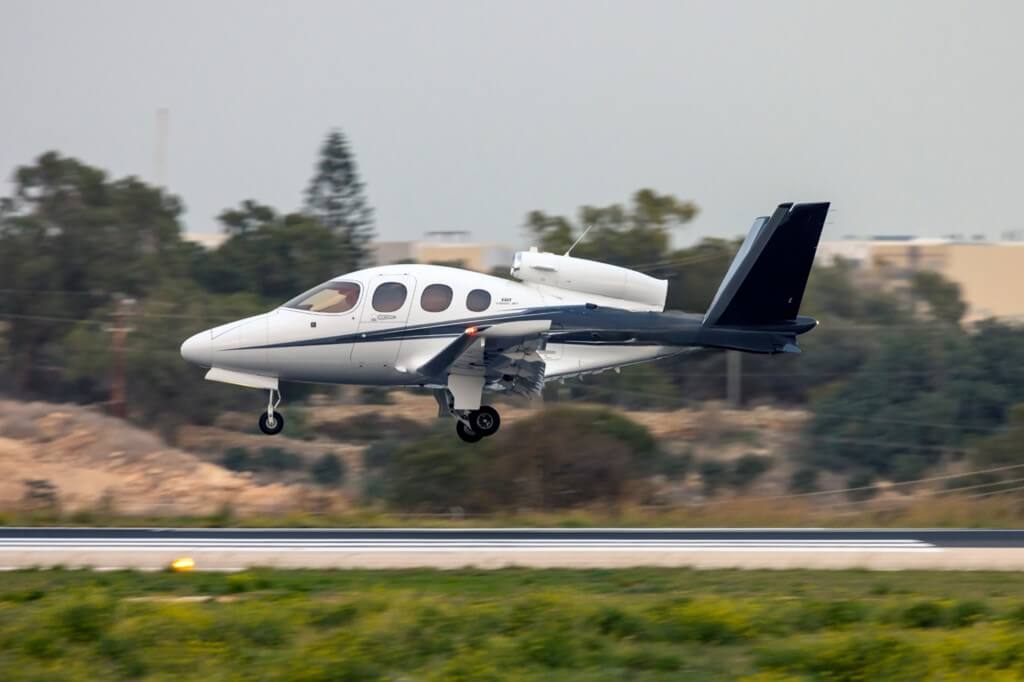
Ask ten pilots what insurance companies think about Cirrus aircraft and you’ll probably get ten different answers.
Some pilots believe underwriters love Cirrus aircraft.
Others believe insurance companies are cautious because of the aircraft’s performance capabilities.
Some assume the parachute system automatically lowers insurance costs.
Others believe Cirrus owners pay significantly more than pilots flying comparable aircraft.
The truth is much more nuanced.
At BWI Aviation Insurance, we’ve worked with thousands of Cirrus owners and analyzed 59 Cirrus insurance renewals during the first quarter of 2026 representing more than $414,144 in annual premium.
The reality is that insurance companies don’t have a single opinion about Cirrus aircraft.
Instead, they evaluate three separate components:
- The aircraft
- The pilot
- The mission
And in many cases, the pilot matters more than the airplane.
Understanding how underwriters think can help Cirrus owners position themselves for stronger insurance outcomes and more competitive renewals.
The Good News For Cirrus Owners
Before discussing underwriting philosophy, let’s look at the market.
Our Q1 2026 analysis revealed some of the strongest insurance results among any major aircraft category.
Among the 59 Cirrus renewals reviewed:
- 54 policies experienced premium decreases.
- Only 3 policies experienced premium increases.
- Weighted average premium movement was a decrease of 34.5%.
- Median premium movement was a decrease of 25.0%.
That data tells us something important.
Insurance companies are actively competing for qualified Cirrus owners.
If underwriters truly disliked Cirrus aircraft, we wouldn’t see those results.
Underwriters Respect Cirrus Aircraft
One of the biggest misconceptions in aviation is that insurance companies are somehow afraid of Cirrus aircraft.
That isn’t true.
In fact, many underwriters view Cirrus as one of the most professionally supported aircraft platforms in general aviation.
They recognize:
- Strong factory support
- Advanced avionics
- Structured training programs
- Modern safety systems
- Active owner communities
Insurance companies appreciate consistency.
Cirrus provides a level of standardization that many legacy aircraft fleets simply do not.
From an underwriting perspective, that’s often a positive.
The Aircraft Isn’t Usually The Problem
Many owners assume insurance companies spend most of their time evaluating the aircraft.
In reality, they often spend more time evaluating the pilot.
Consider two examples.
Pilot A:
- 2,500 total hours
- Instrument rated
- 500 hours in Cirrus aircraft
- Annual recurrent training
- Clean claims history
Pilot B:
- 300 total hours
- No instrument rating
- 15 hours in type
- No recurrent training history
Both own identical SR22s.
Insurance companies will likely view these risks very differently.
The aircraft didn’t change.
The pilot did.
This is why two owners of identical aircraft can receive dramatically different premiums.
What Underwriters Like About Cirrus Owners
Over time, certain patterns have emerged.
Many Cirrus owners tend to:
- Invest in training
- Fly regularly
- Maintain modern avionics
- Pursue instrument ratings
- Use aircraft for transportation
These characteristics generally align with what insurance companies want to see.
Pilots who approach aviation professionally often create confidence among underwriters.
And confidence frequently leads to stronger underwriting outcomes.
Get Your Cirrus Aircraft Insurance Quote With BWI Today>>
What Underwriters Worry About
That doesn’t mean underwriters ignore risk.
They absolutely pay attention to factors that increase exposure.
Common concerns include:
- Low total flight time
- Limited time in type
- Lack of recurrent training
- Claims history
- Lapses in recent flight activity
- Transitioning into a higher-performance aircraft
These concerns are not unique to Cirrus aircraft.
Insurance companies would have similar concerns regardless of manufacturer.
The difference is that Cirrus aircraft often attract pilots moving into more capable airplanes.
That transition naturally receives additional scrutiny.
The SR22 Underwriting Profile
The SR22 remains one of the most popular owner-flown aircraft in the world.
Insurance companies have decades of experience underwriting these aircraft.
Generally speaking, underwriters like:
- Instrument-rated pilots
- Significant recent flight activity
- Strong training histories
- Time in make and model
Because there are so many SR22s flying, insurance companies possess a tremendous amount of claims and operational data.
That familiarity often benefits qualified owners.
The SR22T Underwriting Profile
The SR22T introduces additional performance capability.
Insurance companies may pay closer attention to:
- Turbocharged aircraft experience
- IFR proficiency
- Cross-country operations
- High-altitude experience
However, the aircraft itself is rarely the issue.
The question underwriters ask is:
“Does this pilot have the experience and training necessary to safely operate this aircraft?”
When the answer is yes, carrier appetite is often very strong.
The Vision Jet Underwriting Profile
The Vision Jet occupies a unique category.
No other aircraft combines:
- Turbine power
- Pressurization
- Jet performance
- Single-pilot operation
in quite the same way.
As a result, underwriting tends to be more detailed.
Insurance companies often evaluate:
- Turbine experience
- Transition training
- Mentor pilot programs
- Simulator participation
- Annual recurrent training
The good news is that insurance companies have become increasingly comfortable with the Vision Jet as the fleet matures.
What Underwriters Think About CAPS
No discussion of Cirrus underwriting would be complete without discussing CAPS.
The Cirrus Airframe Parachute System remains one of the most recognizable safety features in aviation.
Insurance companies absolutely recognize its value.
However, many owners misunderstand how underwriters view the system.
Underwriters do not typically think:
“The airplane has a parachute, therefore the risk is low.”
Instead, they view CAPS as one component of a broader safety ecosystem.
What matters most is whether the pilot understands when and how to use it.
This is one reason training remains so important.
The effectiveness of any safety system ultimately depends on pilot decision-making.
Why Training Has Such A Big Impact
Few aircraft manufacturers have invested more heavily in training than Cirrus.
Programs such as:
- Cirrus Embark
- Cirrus Approach
- CSIP instruction
- Simulator training
- Recurrent education
create confidence among underwriters.
Insurance companies know that pilots who actively train are generally safer than pilots who do not.
This is why training often influences underwriting decisions more than aircraft equipment.
Claims History Still Matters Most
If there’s one factor that consistently influences underwriting more than anything else, it’s claims history.
Insurance companies pay close attention to:
- Prior claims
- Claim severity
- Claim frequency
- Recency of losses
A clean record often creates opportunities.
A history of claims often creates questions.
This remains true regardless of aircraft type.
Whether you fly a Cirrus, Bonanza, Mooney, or Cessna, claims history continues to be one of the strongest underwriting factors.
What The Best Cirrus Risks Have In Common
After reviewing thousands of Cirrus policies over the years, the strongest risks often share similar characteristics.
They typically have:
- Instrument ratings
- Significant recent flight activity
- Recurrent training
- Time in make and model
- Clean claims histories
- Modern risk-management habits
These factors consistently create stronger underwriting outcomes.
Why Cirrus Owners Are Seeing Better Rates In 2026
The insurance market remains highly favorable for qualified Cirrus owners.
Our Q1 2026 data showed:
- 54 of 59 policies received premium decreases.
- Weighted average premium reduction was 34.5%.
- Median reduction was 25.0%.
Those numbers would not exist if insurance companies were uncomfortable with the Cirrus fleet.
Instead, they suggest increasing confidence and increasing competition among carriers.
Why Thousands Of Cirrus Owners Trust BWI
BWI Aviation Insurance has helped thousands of Cirrus owners secure coverage for their aircraft.
Whether you fly an SR22, SR22T, or Vision Jet SF50, our team understands how underwriters evaluate risk and what factors influence carrier appetite.
We work with leading aviation insurance carriers and help aircraft owners position themselves for the most competitive coverage available.
Final Thoughts
What do underwriters really think about Cirrus aircraft?
Generally speaking, they respect them.
They respect the training culture.
They respect the technology.
They respect the safety focus.
But more importantly, they focus on the pilot.
The strongest underwriting outcomes are rarely driven by the aircraft alone.
They are driven by pilots who invest in training, maintain proficiency, manage risk effectively, and approach aviation professionally.
The good news for Cirrus owners is that today’s market remains one of the most favorable in years.
And for pilots who continue investing in their skills, that trend is likely to continue.
bwifly.com / 800-666-4359
Continue Reading