
How much does airplane insurance cost is one of the first questions aircraft owners ask and one of the hardest to answer with a simple number. If you have searched online you have probably seen wide ranges vague averages or instant quote tools that seem disconnected from reality. Some websites promise low prices without explaining coverage while others overwhelm readers with technical language that does not actually help them understand what they are buying.
The truth is airplane insurance is not priced like car insurance or homeowners insurance. There is no flat rate no universal average and no single formula that applies to every aircraft owner. Airplane insurance is manually underwritten and every policy is evaluated individually based on risk.
In this guide we will explain how airplane insurance is priced what realistic costs look like for different aircraft owners why online averages are misleading and how to get an accurate airplane insurance estimate without overpaying or leaving critical gaps in coverage.
Why Airplane Insurance Pricing Is So Different From Other Insurance
Most personal insurance products rely on massive pools of standardized data. Cars and homes fall into predictable categories with millions of comparable policies. Airplanes do not.
Aircraft vary widely in performance value maintenance use and operating environment. Pilots vary widely in experience training and proficiency. Because of this every airplane insurance policy is reviewed by an aviation underwriter rather than priced by an automated system.
Underwriters are not asking what is the average cost. They are asking how likely is a loss and how severe would that loss be if it occurred.
That risk analysis drives pricing far more than any published average.
Get Your Airplane Insurance Quote With BWI Today>>
Aircraft Type Plays a Major Role in Cost
The aircraft itself is the foundation of any insurance quote. The type of aircraft determines baseline risk before the pilot is even considered.
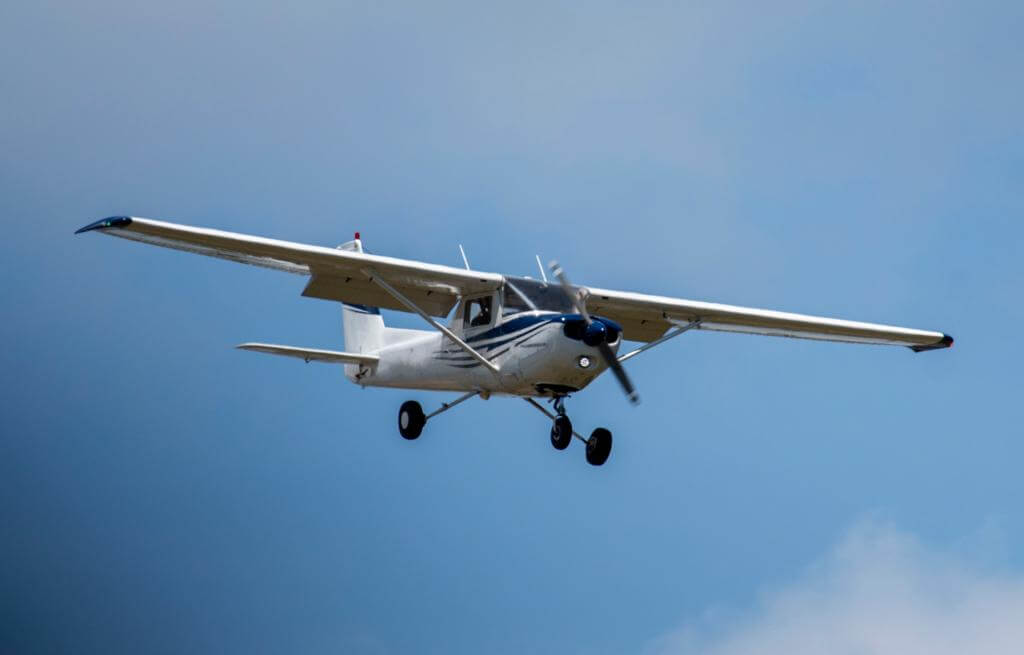
Trainer aircraft such as Cessna 152s Cessna 172s and Piper Warriors are generally the least expensive to insure. These aircraft have lower hull values predictable performance characteristics and a long loss history that underwriters understand well.
High performance single engine aircraft cost more to insure because they fly faster carry higher hull values and generate more severe claims when accidents occur. Retractable landing gear turbocharged engines and complex systems all increase underwriting exposure.
Complex piston aircraft with advanced avionics higher replacement costs and higher cruise speeds fall into an even higher risk category. Even experienced pilots can see higher premiums simply because of the aircraft class.
Turbine aircraft sit at the top of the cost spectrum. These aircraft require formal training programs structured operating procedures and professional level underwriting. Insurance costs increase dramatically as insured value and operational complexity increase.
Hull value is one of the most important factors in this equation. Higher insured values increase premiums because the potential payout is larger. Over insuring an aircraft can unnecessarily increase cost while under insuring can leave an owner exposed after a loss.
Pilot Experience Can Change Cost Dramatically
Pilot experience is often the most misunderstood factor in airplane insurance pricing. Many pilots assume total flight time is the primary metric but underwriters look much deeper.
Total flight time matters but time in make and model is often more important. A pilot with five hundred hours in the exact aircraft type may be viewed as lower risk than a pilot with two thousand total hours but minimal time in that model.
Instrument ratings also influence cost and coverage availability. Instrument rated pilots are generally seen as lower risk especially for cross country operations.
Recent experience matters. Long gaps between flights or limited recent time can increase premiums or restrict coverage.
Training plays a critical role. Formal transition training simulator training and recurrent training can all improve underwriting outcomes. In many cases the right training strategy can materially reduce premium over time.
Claims and incident history also matter. Even non paid claims can influence underwriting perception.
Understanding Liability Coverage and Cost
Liability coverage protects the aircraft owner if they cause bodily injury or property damage to others. This includes passengers third parties and property on the ground.
Liability limits are typically expressed as a combined single limit or as split limits with passenger sublimits. Higher limits provide better protection but also increase premium.
Many aircraft owners focus on minimizing liability cost without fully understanding exposure. Medical costs legal expenses and liability judgments can quickly exceed minimum limits especially when passengers are involved.
Choosing appropriate liability limits is one of the most important decisions in structuring an airplane insurance policy.
Hull Coverage and Why It Drives Premium
Hull coverage protects the aircraft itself against physical damage. This is often the largest portion of the premium especially for higher value aircraft.
Hull premiums are influenced by insured value deductible structure claims history and market conditions.
Deductibles can be structured to reduce premium but must be chosen carefully. A lower premium with a high deductible may not provide meaningful financial protection after a loss.
Some owners choose liability only coverage on lower value aircraft to reduce cost. This decision should be evaluated carefully based on financial risk tolerance.
Realistic Airplane Insurance Cost Examples
While every policy is unique it is still helpful to understand realistic ranges.
For basic trainer aircraft annual premiums commonly fall between twelve hundred and three thousand dollars depending on pilot experience coverage limits and hull value.
For high performance single engine aircraft premiums often range from twenty five hundred to seventy five hundred dollars per year. Less experienced pilots and higher hull values trend toward the upper end.
For complex and high value piston aircraft premiums frequently fall between four thousand and twelve thousand dollars or more depending on performance and insured value.
For turbine aircraft premiums commonly start around fifteen thousand dollars per year and can exceed fifty thousand dollars depending on use training and total insured value.
These ranges assume personal use operations. Commercial use specialized missions or challenging operating environments will increase cost.
Why Average Airplane Insurance Cost Numbers Fail
Many articles advertise an average airplane insurance cost but these figures rarely help aircraft owners make informed decisions.
Averages blend renters owners students and commercial operators into a single number. They ignore aircraft type hull value pilot experience coverage structure and market conditions.
An average does not reflect your risk. It reflects a mathematical midpoint across unrelated profiles.
Meaningful insurance decisions require underwriting context not averages.
Market Cycles Affect Pricing
Aviation insurance is cyclical. During hard markets premiums rise underwriting guidelines tighten and training requirements increase. During soft markets competition increases and pricing stabilizes.
Timing matters. So does market placement.
Submitting a risk to the wrong carriers can increase cost and reduce leverage. An experienced aviation insurance broker understands which markets are competitive for specific aircraft and pilot profiles at any given time.
How to Get a Real Airplane Insurance Estimate
An accurate airplane insurance estimate requires more than filling out an online form.
Complete pilot information is essential. Missing or unclear data leads underwriters to assume higher risk.
Aircraft valuation must reflect the real market. Inflated values increase premium while undervalued aircraft may not be fully protected.
Coverage must be structured intentionally. Limits deductibles and approved uses all matter.
Market strategy matters. Not all carriers should see every risk.
This is where professional aviation insurance brokerage creates value beyond price comparison.
Why Aircraft Owners Often Overpay
Many aircraft owners overpay without realizing it. They renew policies year after year without reviewing structure or market options.
Common reasons include generic submissions limited market access lack of underwriting advocacy and poorly structured coverage.
The lowest quote is not always the best value. The highest quote is not always necessary.
The goal is appropriate coverage at a defensible cost.
Why Aircraft Owners Choose BWI Aviation Insurance
BWI Aviation Insurance focuses exclusively on aviation. We insure thousands of aircraft owners across the country including complex risks and specialized operations such as Alaska flying.
We work with the full aviation insurance market and structure coverage around your aircraft your experience and your mission.
We explain how your quote is built why it costs what it does and how to improve underwriting outcomes over time.
When a claim happens clarity and advocacy matter more than price.
If you want a real airplane insurance estimate not a guess and not an average BWI delivers expertise transparency and long term value.
Requesting a quote through bwifly.com is about more than price. It is about protecting your aircraft your finances and your future with coverage that works when it matters most.
Continue Reading