
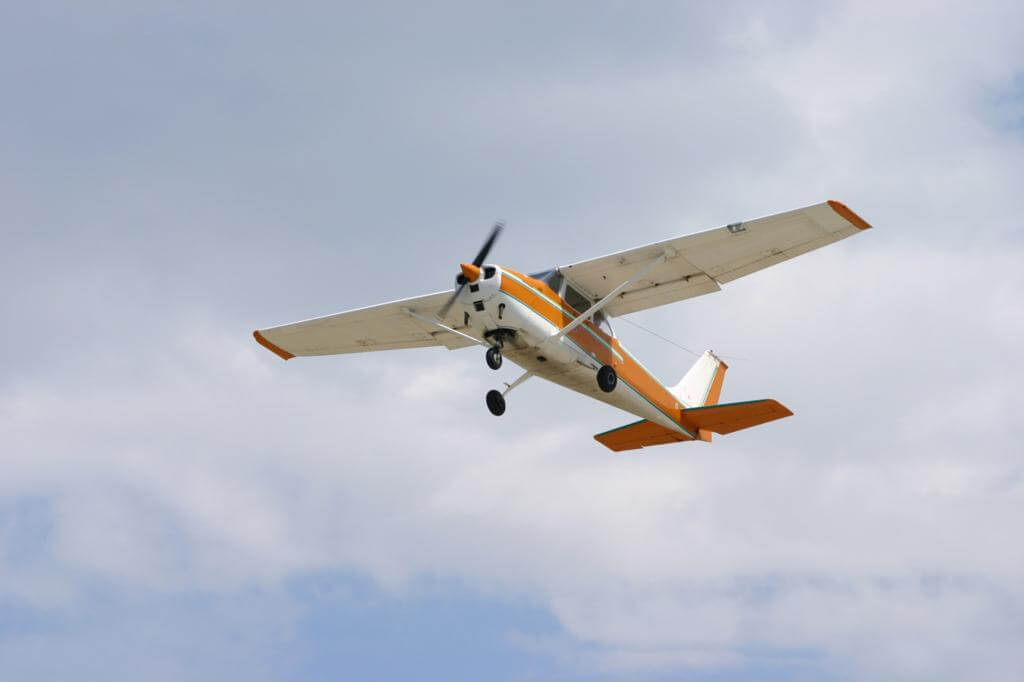
Airplane insurance in Los Angeles operates in the most demanding aviation environment in the United States. Los Angeles combines dense population, some of the busiest airspace in the world, dozens of airports packed into a relatively small geographic area, intense regulatory oversight, and one of the most aggressive legal climates in the country. From an insurance perspective, Los Angeles is not just another city. It is a category of risk on its own.
In 2026, airplane insurance in Los Angeles has become even more critical. Aircraft values are higher, claims are more expensive, airspace congestion continues to increase, and insurers apply heightened scrutiny to any aircraft based or operating regularly in the Los Angeles basin. Pilots and aircraft owners who assume insurance in Los Angeles works the same way it does in less complex regions often discover costly gaps after an incident.
This article explains how airplane insurance works in Los Angeles in 2026, what makes Los Angeles unique from an insurance standpoint, what coverage matters most, how costs are determined, and how aircraft owners and pilots can structure insurance properly to protect both their aircraft and their financial future.
If you want a general overview of airplane insurance before diving into Los Angeles–specific considerations, start here:
https://bwifly.com/aircraft-insurance/
Why Los Angeles Is the Most Complex Aviation Insurance Market
Los Angeles sits at the intersection of multiple high-risk factors that insurers must account for.
The Los Angeles basin contains one of the highest concentrations of controlled airspace in the world. Class B airspace around LAX overlays a network of Class C and D airports, helicopter corridors, and special flight rules areas. Aircraft operate in close proximity to densely populated neighborhoods, commercial districts, highways, ports, and infrastructure.
From a liability standpoint, this density increases the potential severity of losses. An aircraft incident in Los Angeles is far more likely to involve third-party property or people on the ground than in rural areas.
From a legal standpoint, Los Angeles is part of a jurisdiction known for high jury awards, complex litigation, and aggressive plaintiff attorneys. Insurers price this risk accordingly.
Is Airplane Insurance Required in Los Angeles
There is no specific Los Angeles city ordinance that universally requires all private aircraft owners to carry insurance. However, in practice, airplane insurance is effectively mandatory for almost all aircraft operating in the region.
Insurance is required or strongly enforced through:
-Airport authority and municipal airport policies
-Hangar and tie-down lease agreements
-Flight school and rental agreements
-Aircraft financing and lender requirements
-Commercial and business aviation operations
Most Los Angeles–area aircraft owners cannot legally or practically operate without insurance while maintaining access to airports, facilities, or financing.
For a deeper explanation of legal versus practical requirements, see:
https://bwifly.com/is-airplane-insurance-required/
Los Angeles Airport Authorities and Insurance Requirements
Los Angeles–area airports are often owned or operated by municipalities or airport authorities that impose insurance requirements as a condition of use.
These requirements typically include minimum liability limits and naming the airport authority as an additional insured.
In 2026, Los Angeles airports are enforcing these requirements more strictly due to increased liability exposure and public risk management pressure.
Failure to maintain required insurance can result in loss of hangar leases, denial of access, or termination of operating privileges.
Flight Schools, Rentals, and Renter Exposure in Los Angeles
Los Angeles has a high concentration of flight schools and rental operations. As a result, renter exposure is one of the most common insurance issues in the region.
Flight schools almost universally require renters insurance or non-owned aircraft insurance. Even when not explicitly required, rental agreements typically transfer financial responsibility for damage and loss of use to the pilot.
For Los Angeles pilots who rent aircraft, this page is essential:
https://bwifly.com/aviation-insurance/aircraft-renters-insurance/
Given aircraft values and utilization in Los Angeles, renter exposure can be significant even for experienced pilots.
Liability Risk in Los Angeles Aviation
Liability risk is the single most important driver of airplane insurance in Los Angeles.
Aircraft incidents in Los Angeles are more likely to involve:
-Damage to buildings, vehicles, or infrastructure
-Injury to people on the ground
-Passenger injury claims
-Multiple third-party claimants
Medical costs and legal fees in Los Angeles are among the highest in the country. In 2026, liability claims frequently exceed minimum policy limits.
Carrying minimal liability coverage in Los Angeles is one of the most common and dangerous insurance mistakes aircraft owners make.
Selecting appropriate liability limits is a critical financial decision, not just a regulatory one.
Hull Insurance Considerations in Los Angeles
Hull insurance protects the physical aircraft, and in Los Angeles it is influenced by several unique factors.
Hangar availability is limited and expensive. Many aircraft are stored outdoors, increasing exposure to wind, weather, and ground damage.
Airports in the Los Angeles basin experience high traffic density, increasing the likelihood of taxi incidents, hangar rash, and ground handling damage.
Repair facilities are in high demand. Parts delays and labor shortages can extend repair timelines, increasing downtime after a loss.
For a deeper explanation of hull coverage, see:
https://bwifly.com/airplane-hull-insurance
Aircraft Types Commonly Insured in Los Angeles
Los Angeles insures a wide range of aircraft types, each with distinct insurance considerations.
Training aircraft operate extensively at satellite airports.
High-performance singles and technically advanced aircraft are popular among private owners.
Helicopters operate extensively in news, traffic, and charter roles.
Business jets and turboprops support corporate and entertainment industry travel.
Each category is underwritten differently based on value, utilization, and pilot experience.
Pilot Experience and Los Angeles Underwriting
Pilot experience is weighted heavily in Los Angeles airplane insurance underwriting.
Insurers evaluate total flight time, time in make and model, ratings, recency, and experience in complex airspace.
In 2026, insurers increasingly favor pilots who complete structured training, recurrent training, and formal transition programs, particularly in congested airspace environments.
Allowing an unauthorized or underqualified pilot to fly can void coverage entirely.
Personal Versus Business Use in Los Angeles
Many Los Angeles aircraft owners use their aircraft for a mix of personal and business purposes.
Flying to business meetings, transporting clients, or supporting production activities can affect insurance classification even if no compensation is received.
Misclassifying use is one of the most common causes of coverage disputes in Los Angeles claims.
Owners should disclose all uses accurately and update policies as operations evolve.
Maintenance and Insurance Claims in Los Angeles
Maintenance plays a major role in Los Angeles airplane insurance claims.
High utilization, coastal environments, and congestion increase maintenance demands. Deferred maintenance or incomplete logbooks complicate claims.
Insurers and adjusters scrutinize maintenance records closely, especially after liability-heavy incidents.
For a maintenance-focused insurance explanation, review:
https://bwifly.com/commercial-aviation-insurance/aircraft-maintenance/
How Much Airplane Insurance Costs in Los Angeles in 2026
Airplane insurance in Los Angeles is often more expensive than in less dense regions, but pricing varies widely.
Cost is influenced by aircraft type, hull value, liability limits, pilot experience, use, storage, and exact airport location.
Well-managed risks with experienced pilots, strong training histories, and hangared aircraft can still achieve competitive pricing.
For a broader cost breakdown, see:
https://bwifly.com/how-much-does-it-cost-to-insure-an-airplane/
Deductibles and Risk Strategy in Los Angeles
Deductibles play an important role in Los Angeles airplane insurance strategy.
Higher deductibles can reduce premium but increase out-of-pocket exposure after a loss. Lower deductibles increase premium but reduce financial shock.
Given high repair costs in Los Angeles, deductibles should be selected carefully based on financial tolerance.
Non-Owned and Renters Insurance in Los Angeles
Los Angeles has a large population of renter pilots. Non-owned insurance is essential for these pilots.
Renters insurance protects pilots from liability and aircraft damage responsibility when flying aircraft owned by others.
For Los Angeles renter pilots, review:
https://bwifly.com/aviation-insurance/non-owned-aircraft-insurance/
Common Los Angeles Airplane Insurance Mistakes
Some of the most common mistakes include carrying minimal liability limits, underinsuring hull value, misclassifying use, failing to account for congestion risk, and not reviewing policies annually.
In Los Angeles’s legal and operational environment, these mistakes are especially costly.
Why an Aviation Insurance Broker Matters in Los Angeles
Los Angeles airplane insurance requires aviation-specific expertise.
An aviation insurance broker understands how Los Angeles risk is underwritten, how liability exposure is evaluated, and how to structure policies that hold up in complex claims.
They also help navigate airport requirements, business use issues, and high-value aircraft exposures.
To understand BWI’s aviation-only approach, visit:
Annual Reviews and Los Angeles Risk Management
Airplane insurance in Los Angeles should be reviewed annually and whenever there is a significant change.
Changes include aircraft value updates, pilot experience changes, use changes, storage changes, or relocation within the region.
Automatic renewal without review is one of the most common reasons Los Angeles owners carry inadequate coverage.
The 2026 Bottom Line on Airplane Insurance in Los Angeles
In 2026, airplane insurance in Los Angeles is about managing congestion, liability exposure, and operational complexity in the most demanding aviation environment in the country.
Owners and pilots who understand Los Angeles–specific risk, choose appropriate limits, and work with aviation specialists are far better positioned when something goes wrong.
Why Los Angeles Aircraft Owners and Pilots Should Contact BWI
Los Angeles aviation demands precision. Generic insurance approaches often fail in high-density, high-liability environments.
BWI Aviation Insurance focuses exclusively on aviation. That specialization allows BWI to help Los Angeles aircraft owners and pilots structure coverage correctly, manage liability risk, and avoid the mistakes that lead to denied claims or uncovered losses.
If you want airplane insurance in Los Angeles done right in 2026, here is what to do next.
Review aircraft insurance coverage options:
https://bwifly.com/aircraft-insurance/
If you rent aircraft, review renters and non-owned insurance options:
https://bwifly.com/aviation-insurance/aircraft-renters-insurance/
Request aircraft insurance quotes tailored to your Los Angeles operations:
https://bwifly.com/aircraft-insurance/
If you have questions about airspace congestion, airport requirements, or Los Angeles–specific liability exposure, contact BWI directly to discuss your situation before there is ever a claim:
Los Angeles aviation is unforgiving of mistakes. BWI helps make sure your insurance is not one of them.
Continue Reading