
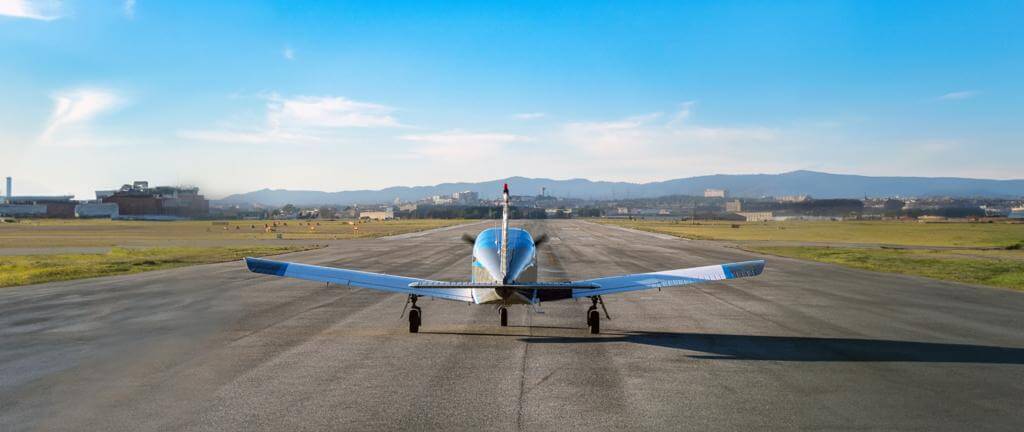
An airplane insurance quote is often the first real step toward protecting an aircraft, but it is also where many aircraft owners make their first serious mistake.
In 2026, airplane insurance quotes are more complex than ever. Aircraft values are higher. Repair costs are rising. Liability claims are larger. Underwriters are more selective. And not all quotes are created equal.
A quote is not just a price.
It is a reflection of how your risk was presented, how your aircraft and experience were evaluated, and how your coverage was structured.
This article explains:
- What an airplane insurance quote actually represents
- Why quotes vary dramatically between carriers
- What information affects pricing most
- How to interpret quote differences
- What mistakes to avoid when requesting a quote
- And how to ensure the quote you receive actually protects you
If you want a foundational overview of aircraft insurance before diving into quoting strategy, start here:
https://bwifly.com/aircraft-insurance/
What Is an Airplane Insurance Quote?
An airplane insurance quote is a conditional offer from an aviation insurance carrier to provide coverage under specific terms, limits, and assumptions.
It is not a guarantee.
It is not a binding contract.
It is not a standardized number.
Every quote depends on:
- Aircraft information
- Pilot information
- Use classification
- Liability limits
- Hull value
- Deductibles
- Geographic exposure
If any of these inputs change, the quote changes.
In aviation insurance, small details matter enormously.
Why Airplane Insurance Quotes Vary So Widely
Aircraft owners are often surprised when they receive multiple quotes with large pricing differences.
That variation is not random.
It usually comes down to:
- Different liability structures
- Passenger sublimits vs smooth limits
- Different pilot warranties
- Varying deductibles
- Different hull valuation approaches
- Carrier appetite
- Risk presentation
Two quotes may appear similar on the surface but differ materially in coverage.
Comparing quotes without understanding structure is dangerous.
For cost context:
https://bwifly.com/how-much-does-it-cost-to-insure-an-airplane/
The Key Variables That Affect Your Airplane Insurance Quote
- Aircraft Type and Hull Value
The aircraft’s make, model, and insured value are foundational to pricing.
Higher-value aircraft = higher hull premium.
Complex aircraft = higher underwriting scrutiny.
Underinsuring hull value may reduce premium slightly, but it can lead to severe financial gaps after a total loss.
Hull coverage breakdown:
- Pilot Experience
Underwriters evaluate:
- Total flight time
- Time in make and model
- Recency
- Ratings
- Transition training
- Claims history
Experience directly affects pricing.
Two pilots flying the same aircraft can receive dramatically different quotes.
- Use Classification
Personal use
Business use
Instruction
Rental
Commercial
Misclassifying use is one of the most common reasons quotes are adjusted, or coverage is denied later.
If you are unsure how your use is classified, review:
https://bwifly.com/aircraft-insurance/what-does-aviation-insurance-cover/
- Liability Limits
Liability is the most important financial protection element.
Quotes may include:
- $1M smooth
- $1M with $100k per passenger
- $500k total
- Higher or lower combinations
Lower limits reduce premium but increase exposure.
In 2026, liability claims are expensive. Selecting limits based solely on price is risky.
- Deductibles
Higher deductibles lower premium.
Lower deductibles increase premium.
But deductible structure affects cash exposure after a loss.
Deductibles should be selected strategically, not impulsively.
What Makes a “Good” Airplane Insurance Quote?
A good airplane insurance quote:
- Reflects accurate aircraft value
- Matches actual use
- Includes appropriate liability limits
- Has clear pilot authorization
- Avoids hidden exclusions
- Comes from a carrier that fits your risk
The cheapest quote is rarely the best quote.
The Difference Between Indicative and Bindable Quotes
Some quotes are indicative, rough estimates based on limited information.
Others are bindable, meaning the carrier is ready to issue coverage under those terms.
Always clarify which type you are receiving.
Acting on indicative quotes without full underwriting can lead to surprises at binding.
Why You Should Never Shop Airplane Insurance Blindly
Submitting your aircraft to multiple brokers without coordination can create market blocking.
If two brokers approach the same underwriter with the same risk, it can:
- Reduce negotiating leverage
- Damage credibility
- Result in fewer options
A coordinated quoting strategy is essential.
This is why choosing a strong airplane insurance broker matters:
https://bwifly.com/airplane-insurance-broker/
Online Airplane Insurance Quotes: What to Watch For
In 2026, some platforms advertise “instant airplane insurance quotes.”
Be cautious.
Online systems often:
- Default to minimum liability limits
- Simplify use classification
- Omit important exclusions
- Underestimate hull values
- Provide non-bindable pricing
Aviation insurance requires nuance.
Automated quoting cannot capture full risk complexity.
Airplane Insurance Quotes for New Pilots
New pilots often face higher premiums due to limited experience.
However, structured transition training and dual instruction can improve quotes.
For new pilot insurance strategy:
https://bwifly.com/aircraft-insurance/
Underwriters reward documented training more than optimism.
Airplane Insurance Quote for a Cessna 172
The Cessna 172 is one of the most commonly insured aircraft.
Quotes vary based on:
- Pilot experience
- Hull value
- Personal vs rental use
- Location
For detailed Cessna-specific pricing context:
https://bwifly.com/cessna-172/
Even common aircraft are not “standard risk.”
Why Liability Is the Most Important Part of the Quote
Most aircraft owners focus on hull premium.
Sophisticated owners focus on liability.
Medical costs, legal fees, and settlements in 2026 can exceed hull value quickly.
Reducing liability limits to save premium is often short-sighted.
What Happens After You Accept a Quote
Once you select a quote:
- Policy documents are issued
- Endorsements are attached
- Pilot requirements are formalized
- Certificates of insurance are generated
Review the policy. Do not assume it matches your expectations.
How Often Should You Request New Quotes?
You should request updated quotes:
- At annual renewal
- After major rating changes
- After time-in-type increases
- After aircraft upgrades
- When use changes
Not every year requires switching carriers, but every year requires review.
Common Mistakes When Getting an Airplane Insurance Quote
- Underreporting use
- Forgetting to list additional pilots
- Underinsuring hull value
- Comparing quotes based only on premium
- Ignoring liability structure
- Skipping broker consultation
These mistakes often surface during claims.
Crash context:
https://bwifly.com/airplane-crash-insurance-claim/
The Broker’s Role in Securing the Best Quote
A strong aviation broker:
- Knows which carrier fits your risk
- Presents your experience correctly
- Avoids market blocking
- Structures coverage intentionally
- Negotiates terms
- Reviews policy language
The broker influences outcome more than most owners realize.
The 2026 Bottom Line on Airplane Insurance Quotes
An airplane insurance quote is not a price tag.
It is a risk evaluation.
In 2026, aviation underwriting is selective, detailed, and unforgiving of misrepresentation.
Choosing the right quote requires understanding coverage, not just cost.
Why Aircraft Owners Request Quotes Through BWI
BWI Aviation Insurance works exclusively in aviation.
That means:
- Access to all major aviation carriers
- Structured submission strategy
- Deep underwriting knowledge
- Clear coverage explanations
- Claims advocacy support
If you want an airplane insurance quote that is accurate, competitive, and built to survive a claim, start here:
Aircraft insurance overview:
https://bwifly.com/aircraft-insurance/
Request a structured quote:
https://bwifly.com/aircraft-insurance/
Before you bind your next policy, talk to a broker who understands aviation at a strategic level.
The right quote protects more than your airplane. It protects everything connected to it.
bwifly.com / 800-666-4359
Continue Reading