
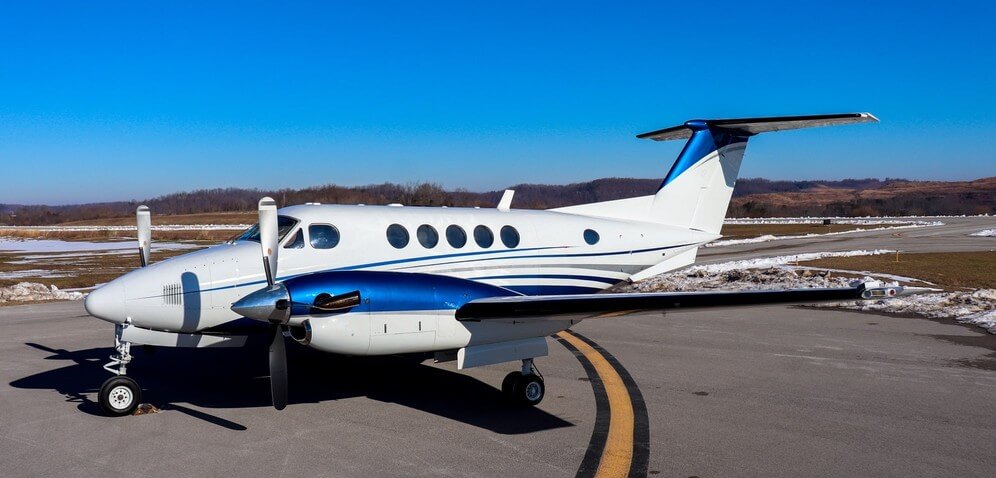
King Air aircraft insurance is one of the most commonly requested turbine insurance categories in general aviation.
It is also one of the most misunderstood.
In 2026, Beechcraft King Air aircraft, whether a C90, B200, or 350, are viewed by insurers as high-value, multi-passenger turbine aircraft with meaningful liability exposure and strict underwriting expectations.
Insuring a King Air is not the same as insuring a piston aircraft.
Understanding how King Air insurance works before requesting a quote is critical.
If you want a broader overview of how turbine aircraft insurance is structured, start here:
https://bwifly.com/aircraft-insurance/
What Makes King Air Aircraft Different From an Insurance Perspective
King Air aircraft sit in a unique category between high-performance piston aircraft and light jets.
They are:
- turbine-powered
- multi-engine
- capable of carrying multiple passengers
- frequently used for business travel
These factors directly affect how insurers evaluate risk.
Higher Hull Values
Most King Air aircraft fall within:
- $1.5M to $4M+ hull value range
Higher values increase:
- claim severity
- repair cost exposure
- underwriting scrutiny
Passenger Capacity
King Air aircraft can carry multiple passengers.
This increases:
- liability exposure
- potential claim severity
Passenger-related claims are one of the largest financial risks in aviation.
Operational Profile
King Air aircraft are often used for:
- business travel
- corporate transportation
- multi-pilot operations
Even when not operating commercially, business use increases exposure compared to personal flying.
King Air Aircraft Insurance Cost in 2026
King Air insurance pricing varies based on aircraft, pilot experience, and operation.
Typical Premium Ranges
For most King Air aircraft:
- Lower range: $6,000 – $10,000 per year
- Mid range: $10,000 – $15,000 per year
- Higher exposure: $15,000 – $25,000+ per year
Pricing is heavily influenced by pilot qualifications and operational structure.
Pilot Requirements for King Air Insurance
Pilot profile is one of the most important underwriting factors.
Total Flight Time
Most insurers prefer:
- 1,000+ total hours
- higher for single-pilot operations
Turbine Time
Turbine experience is critical.
A pilot with:
- 2,000 total hours but minimal turbine time
will be evaluated differently than a pilot with:
- significant turbine experience
Time in Make and Model
Time in a King Air matters.
Pilots transitioning into the aircraft may face:
- higher premiums
- training requirements
- mentor pilot requirements
Training Requirements
Most insurers require:
- initial transition training
- annual recurrent training
Simulator-based training is often preferred or required.
Failure to meet training requirements can affect coverage.
Single-Pilot vs Two-Pilot Operations
King Air aircraft can often be operated single-pilot.
However, insurers evaluate:
- single-pilot operations more conservatively
- two-pilot crews as lower risk
Two-pilot operations may result in:
- better pricing
- more favorable underwriting
Get Your King Air Aircraft Insurance Quote With BWI Today>>
Liability Structure for King Air Aircraft
Liability coverage is critical.
Typical limits include:
- $1M (minimum baseline)
- $2M–$5M (common for business use)
- higher limits for increased exposure
Passenger liability is a key consideration due to:
- number of seats
- business use
For a deeper breakdown of liability structure, see:
https://bwifly.com/aircraft-insurance/
Hull Insurance Considerations for King Air Aircraft
Hull insurance protects the aircraft itself.
Key factors include:
- accurate valuation
- deductible selection
- maintenance documentation
King Air repairs can be expensive due to:
- turbine engines
- avionics
- structural components
Even minor damage can result in significant cost.
Common Mistakes When Insuring a King Air
In 2026, the most common mistakes include:
- underestimating pilot requirements
- failing to document turbine experience
- selecting liability limits that are too low
- misclassifying aircraft use
- choosing coverage based only on price
These mistakes often result in:
- higher premiums
- limited carrier options
- coverage issues during claims
Why Not All Carriers Are Competitive for King Air Aircraft
Not every carrier is equally competitive for King Air risks.
Some carriers:
- prefer experienced turbine pilots
- favor structured operations
Others:
- are more restrictive
- price aggressively for higher-risk profiles
Access to the right carriers matters.
Why Working With an Aviation Specialist Matters
King Air insurance is not a general insurance product.
It requires:
- understanding underwriting expectations
- presenting pilot experience correctly
- structuring coverage for business and liability exposure
A specialized aviation broker improves:
- pricing
- coverage structure
- carrier access
The Bottom Line on King Air Aircraft Insurance
King Air aircraft insurance is a high-value, high-exposure category.
In 2026, the key drivers include:
- turbine time
- pilot experience
- liability limits
- aircraft value
- operational use
The right policy provides:
- financial protection
- operational stability
- confidence in coverage
The wrong policy creates exposure that only becomes visible after a loss.
Why King Air Owners Work With BWI
BWI Aviation Insurance works with King Air owners to:
- structure turbine-specific coverage
- access competitive carriers
- align policies with real-world operations
If you want to understand how King Air insurance applies to your aircraft:
https://bwifly.com/aircraft-insurance/
If you want aircraft insurance quotes tailored to your aircraft and pilot profile:
https://bwifly.com/aircraft-insurance/
If you want help structuring coverage before making a decision, contact BWI directly.
King Air aircraft are serious assets.
Their insurance should be structured the same way.
bwifly.com / 800-666-4359
Continue Reading