
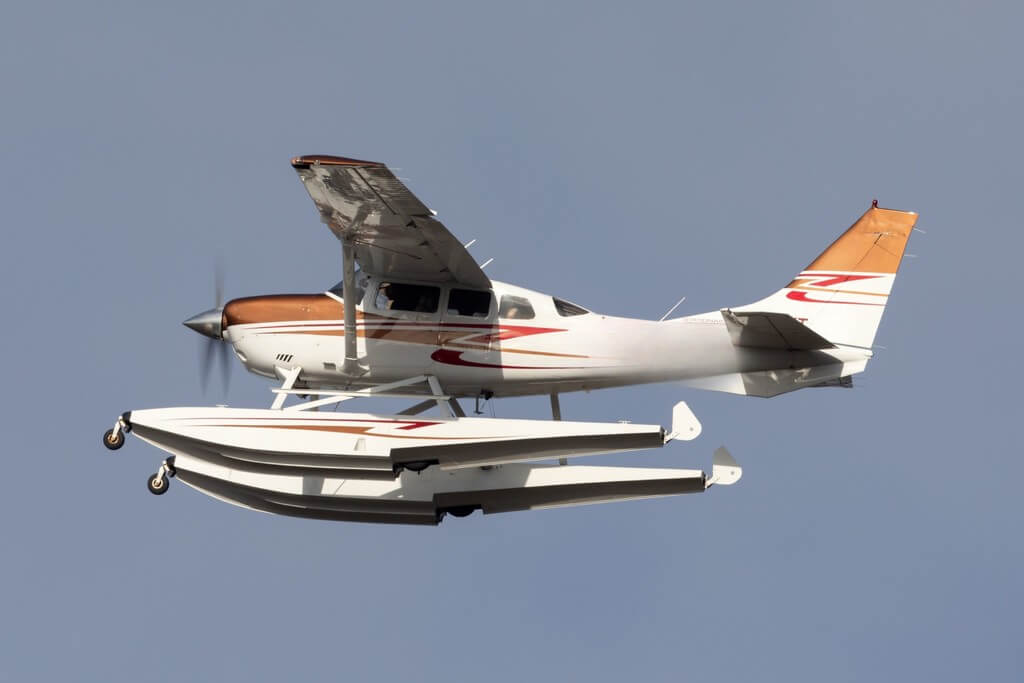
The Cessna 206 has earned a reputation as one of the most versatile aircraft ever built.
Few airplanes can match its combination of payload, utility, range, short-field performance, and operational flexibility.
A Cessna 206 might spend one day transporting a family on a cross-country trip and the next hauling supplies into a remote hunting camp.
It may operate from paved runways, gravel bars, mountain strips, floats, skis, or remote backcountry airstrips.
Because of this versatility, insurance companies often evaluate Cessna 206 risks differently than many other piston aircraft.
At BWI Aviation Insurance, we’ve insured thousands of Cessna aircraft and analyzed hundreds of Cessna renewals representing more than $2.2 million in annual premium volume during the first quarter of 2026.
One thing becomes clear very quickly.
When underwriters evaluate a Cessna 206, they are not just looking at the airplane.
They are evaluating:
- The pilot
- The mission
- The operating environment
- The aircraft
- The insurance history
Understanding how insurance companies think can help owners secure better coverage, stronger carrier competition, and more favorable long-term insurance outcomes.
Why The Cessna 206 Is Different From Most Aircraft
Most aircraft are designed around a relatively specific mission.
The Cessna 206 is different.
Owners use these aircraft for:
- Personal transportation
- Family travel
- Business transportation
- Hunting trips
- Fishing trips
- Backcountry operations
- Float operations
- Charter work
- Cargo hauling
- Survey operations
- Photography operations
Because of this wide range of uses, underwriters spend a significant amount of time evaluating operational exposure.
The mission often matters just as much as the airplane itself.
The Cessna 206 Models Underwriters Commonly Review
Aircraft commonly insured within the 206 family include:
- U206
- U206A
- U206B
- U206C
- U206D
- U206E
- U206F
- U206G
- TU206A
- TU206B
- TU206C
- TU206D
- TU206E
- TU206F
- TU206G
- TP206A
- TP206B
- TP206C
- TP206D
- TP206E
- T206H
- T207
- T207A
Although these aircraft share similar roots, insurance companies do not necessarily evaluate them identically.
Differences in value, mission profile, and performance often influence underwriting decisions.
The First Thing Underwriters Evaluate Is The Pilot
Many aircraft owners assume insurance companies begin by evaluating the aircraft.
They don’t.
The pilot is almost always the first thing underwriters review.
Consider two examples.
Pilot A owns a U206G.
He has:
- 3,500 total hours
- 1,000 hours in Cessna 206s
- Instrument rating
- Backcountry experience
- Annual recurrent training
- Clean claims history
Pilot B owns the exact same airplane.
He has:
- 300 total hours
- 5 hours in type
- No instrument rating
- No recurrent training history
The airplane didn’t change.
The risk did.
This is why pilot qualifications often matter more than the aircraft itself.
Get Your Cessna 206 Aircraft Insurance Quote With BWI Today>>
Total Flight Time Still Matters
One of the first numbers insurance companies review is total flight time.
Experience generally helps.
Pilots with greater experience have typically encountered:
- More weather situations
- More operational challenges
- More decision-making opportunities
- More emergency scenarios
A pilot with 2,500 hours generally represents a different risk profile than a pilot with 250 hours.
That doesn’t mean lower-time pilots can’t obtain coverage.
It simply means underwriters may require more information and additional safeguards.
Time In Make And Model Matters Even More
For many Cessna 206 owners, time in make and model may be more important than total flight time.
Insurance companies know that a Stationair is not a Cessna 172.
They understand that loading, performance, and mission complexity differ substantially.
A pilot with:
- 1,000 hours in Cessna 206s
will often receive stronger underwriting consideration than a pilot with:
- 5,000 hours total time
- Minimal 206 experience
Aircraft-specific proficiency creates confidence.
And confidence creates carrier competition.
Aircraft Usage Is One Of The Biggest Underwriting Factors
Few aircraft categories receive as much operational scrutiny as the 206.
Insurance companies commonly ask:
- Is the aircraft used personally?
- Is it used commercially?
- Does it carry cargo?
- Does it operate in remote locations?
- Is it used for hunting trips?
- Does it operate on floats?
- Is it flown in Alaska?
The answers can dramatically affect underwriting.
Two identical aircraft may receive very different treatment depending on how they are used.
Alaska Operations Receive Additional Attention
The Cessna 206 may be the most important utility aircraft in Alaska.
Insurance companies know this.
Aircraft operating in Alaska frequently encounter:
- Remote airstrips
- Gravel runways
- Mountain terrain
- Variable weather
- Float operations
- Limited infrastructure
Because of these conditions, underwriters often evaluate:
- Alaska experience
- Mountain flying experience
- Float experience
- Recent operational history
Experienced Alaska pilots often receive favorable consideration because insurers recognize the skill required to operate safely in these environments.
Float Operations Change The Conversation
Many 206s spend part or all of the year on floats.
Insurance companies understand that float flying introduces unique exposures.
Underwriters often review:
- Total float time
- Recent float time
- Float time in make and model
- Operating locations
- Seasonal activity
Pilots with substantial float experience often receive stronger underwriting outcomes than pilots with limited water operations experience.
Instrument Ratings Carry Significant Weight
The Cessna 206 is frequently used as a serious transportation aircraft.
Many owners routinely fly:
- Long cross-country trips
- Business transportation missions
- IFR operations
- Weather-sensitive schedules
Because of this, insurance companies place substantial value on instrument ratings.
An instrument-rated pilot demonstrates:
- Additional training
- Better weather decision-making
- Greater proficiency
- Commitment to safety
Many underwriters strongly favor instrument-rated pilots.
Claims History Remains One Of The Most Important Factors
Nothing gets an underwriter’s attention faster than claims history.
Insurance companies carefully review:
- Prior losses
- Claim frequency
- Claim severity
- Recent claims
Pilots with clean records often benefit from:
- More carrier options
- Better pricing
- Greater underwriting flexibility
Claims do not automatically create problems.
However, they frequently generate additional scrutiny.
Aircraft Value Continues To Influence Premiums
The value of many Cessna 206s has increased substantially during the last several years.
Today’s market includes aircraft insured for:
- $150,000
- $250,000
- $400,000
- $600,000
- $800,000+
Some highly upgraded aircraft exceed those values.
As hull value increases, the insurance company’s exposure increases.
And when exposure increases, premiums often increase as well.
Training Creates Underwriting Confidence
Insurance companies consistently reward training.
Underwriters like to see:
- Flight reviews
- Recurrent training
- Transition training
- Backcountry instruction
- Float training
- Safety seminars
Pilots who actively invest in proficiency often receive stronger underwriting consideration.
Training reduces uncertainty.
And insurance companies dislike uncertainty.
What The Best Cessna 206 Risks Have In Common
After reviewing thousands of utility aircraft policies over the years, certain patterns consistently emerge.
The strongest 206 risks typically have:
- Significant time in type
- Instrument ratings
- Clean claims histories
- Recent flight activity
- Annual training
- Strong operational experience
- Accurate logbooks
These factors create confidence among underwriters.
And confidence often produces better insurance outcomes.
Why Today’s Market Remains Favorable
The good news is that today’s insurance market remains competitive.
Insurance companies continue to pursue qualified owner-flown aircraft aggressively.
For experienced Cessna 206 owners, that competition often translates into:
- More quote options
- Better coverage choices
- Improved pricing opportunities
While every policy remains unique, today’s market conditions are significantly more favorable than many owners experienced several years ago.
Why Thousands Of Cessna Owners Trust BWI
BWI Aviation Insurance has helped thousands of aircraft owners secure coverage for their Cessna aircraft.
Whether you fly a U206G, TU206G, T206H, T207, or another Stationair variant, our team understands the underwriting factors that influence pricing and carrier appetite.
We work with leading aviation insurance companies and help aircraft owners compare options based on their specific aircraft, experience level, and mission profile.
Final Thoughts
The Cessna 206 occupies a unique place in aviation.
Its versatility allows owners to accomplish missions that many other aircraft simply cannot.
Insurance companies recognize that versatility.
But they also recognize the additional responsibility that comes with operating such a capable aircraft.
Experience, training, claims history, mission profile, and operational environment all play major roles in underwriting decisions.
The good news is that many of those factors are within your control.
Understanding how insurance companies evaluate risk can help you strengthen your insurance profile, improve your insurability, and position yourself for the best possible outcome at renewal.
bwifly.com / 800-666-4359
Continue Reading