
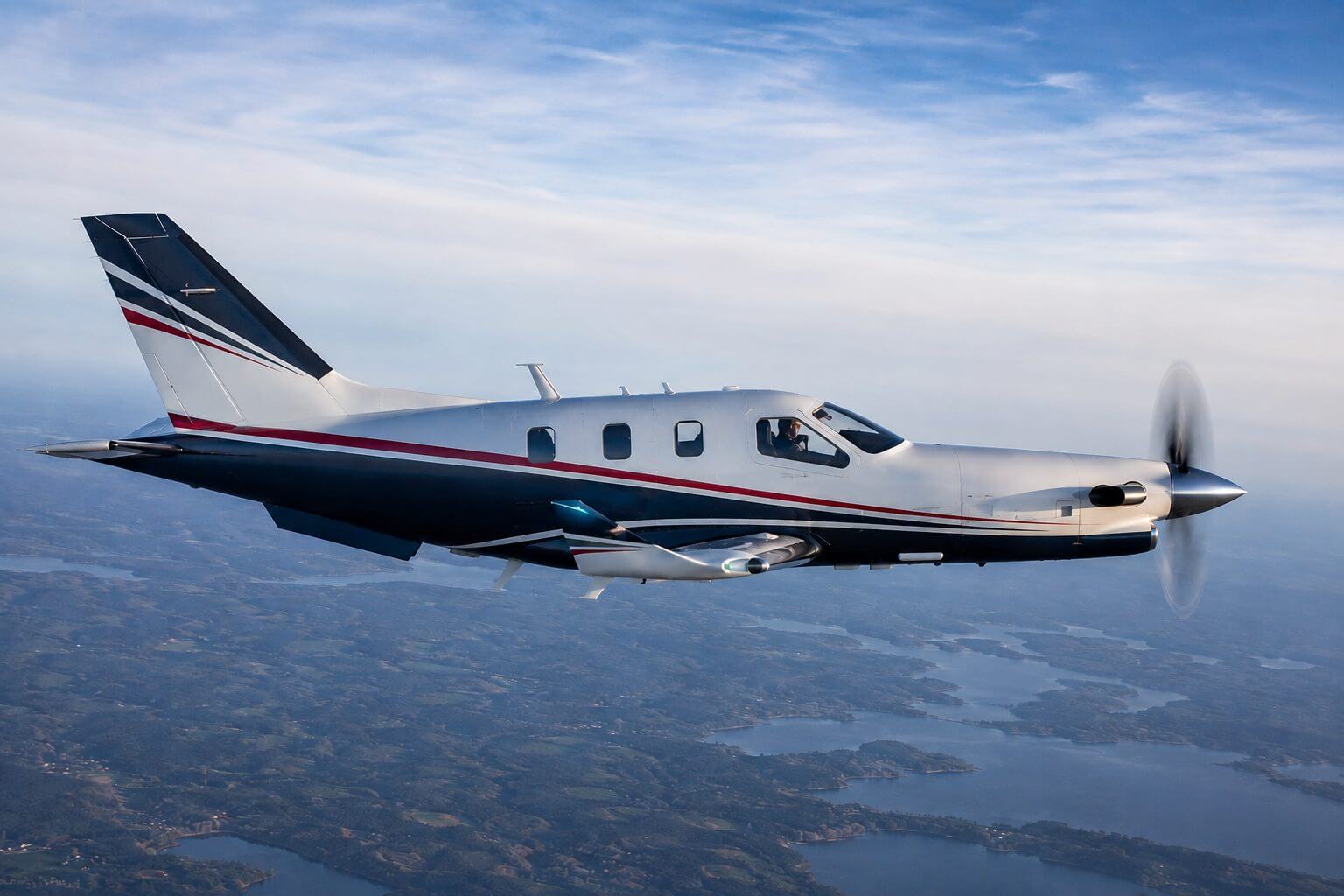
TBM aircraft insurance is one of the most performance-sensitive categories in turbine aviation.
In 2026, Daher TBM aircraft, including the TBM 700, 850, 900, 910, 940, and 960, are viewed by insurers as high-speed, high-value, single-engine turboprops that require disciplined underwriting and experienced pilot profiles.
The TBM is not just another turboprop.
From an insurance perspective, it sits closer to light jets than to traditional piston aircraft.
Understanding how TBM aircraft are evaluated before requesting a quote is critical.
If you want a broader overview of turbine aircraft insurance before focusing specifically on TBM aircraft, start here:
https://bwifly.com/aircraft-insurance/
What Makes TBM Aircraft Different From an Insurance Perspective
TBM aircraft are unique due to their combination of:
- high speed (often 300+ knots)
- turbine performance
- single-pilot capability
- relatively compact airframe
These characteristics create a specific underwriting profile.
Speed and Performance
TBM aircraft are among the fastest single-engine turboprops in the world.
Higher speed increases:
- operational complexity
- pilot workload
- potential loss severity
From an insurance perspective, speed directly influences risk.
High Hull Values
Typical TBM aircraft values:
- Older TBM models: $1.5M – $2.5M
- Newer models (TBM 940 / 960): $3M – $5M+
Higher values increase:
- claim severity
- repair cost exposure
- underwriting scrutiny
Single-Engine Turbine Considerations
Like the Pilatus PC-12, TBM aircraft are single-engine turbine aircraft.
Insurers evaluate:
- pilot experience
- training discipline
- operational structure
more carefully than with multi-engine turbine aircraft.
Get Your Aircraft Insurance Quote With BWI Today>>
TBM Aircraft Insurance Cost in 2026
TBM insurance pricing varies significantly depending on pilot experience and aircraft value.
Typical Premium Ranges
- Lower range: $8,000 – $12,000 per year
- Mid range: $12,000 – $18,000 per year
- Higher exposure: $18,000 – $30,000+ per year
Pricing is heavily influenced by pilot profile.
Pilot Requirements for TBM Insurance
Pilot experience is the most important underwriting factor for TBM aircraft.
Total Flight Time
Most insurers expect:
- 1,000+ total hours
- higher thresholds for low-time turbine pilots
Turbine Time
Turbine experience is critical.
Pilots transitioning from piston aircraft often face:
- higher premiums
- stricter requirements
- possible mentor pilot requirements
Time in Make and Model
Time in TBM aircraft improves underwriting significantly.
Pilots new to the aircraft may be required to:
- complete transition training
- log supervised hours
Training Requirements
TBM aircraft typically require:
- initial transition training
- annual recurrent training
Simulator-based training is strongly preferred.
Failure to meet training requirements can affect coverage.
Single-Pilot Operations
Most TBM aircraft are flown single-pilot.
Insurers evaluate single-pilot turbine operations more conservatively than:
- two-pilot operations
- crewed turbine aircraft
This affects:
- pricing
- underwriting flexibility
Liability Structure for TBM Aircraft
Liability coverage is critical.
Typical limits include:
- $1M baseline
- $2M–$5M common range
- higher limits for increased exposure
Passenger liability is a major factor due to:
- performance characteristics
- operational use
For more on liability coverage, see:
https://bwifly.com/aircraft-insurance/
Hull Insurance Considerations
Hull insurance protects the aircraft itself.
Key considerations include:
- accurate valuation
- deductible selection
- maintenance documentation
TBM aircraft repairs can be expensive due to:
- turbine engines
- advanced avionics
- specialized parts
Even minor damage can result in significant cost.
Common Mistakes When Insuring a TBM Aircraft
In 2026, common mistakes include:
- underestimating pilot requirements
- insufficient turbine experience
- choosing low liability limits
- misclassifying aircraft use
- focusing only on price
These mistakes often lead to:
- higher premiums
- limited carrier options
- coverage gaps
Not All Carriers Are Competitive for TBM Aircraft
TBM aircraft require specialized underwriting.
Some carriers:
- actively write high-performance turboprops
Others:
- are more restrictive
- price aggressively for perceived risk
Access to the right carriers matters.
Why Working With an Aviation Specialist Matters
TBM insurance requires:
- understanding turbine underwriting
- presenting pilot experience correctly
- structuring liability and hull coverage properly
A specialized aviation broker improves:
- pricing
- coverage structure
- carrier access
The Bottom Line on TBM Aircraft Insurance
TBM aircraft insurance is a high-performance, high-exposure category.
In 2026, the key drivers include:
- pilot experience
- turbine time
- training compliance
- liability limits
- aircraft value
The right policy provides protection and stability.
The wrong policy creates exposure that only becomes visible after a loss.
Why TBM Owners Work With BWI
BWI Aviation Insurance works with TBM aircraft owners to:
- structure turbine-specific coverage
- access competitive carriers
- align policies with real-world operations
If you want to understand how TBM aircraft insurance applies to your aircraft:
https://bwifly.com/aircraft-insurance/
If you want aircraft insurance quotes tailored to your aircraft and pilot profile:
https://bwifly.com/aircraft-insurance/
If you want help structuring coverage before making a decision, contact BWI directly.
TBM aircraft are high-performance machines.
Their insurance should be structured accordingly.
bwifly.com / 800-666-4359
Continue Reading