

Reviewed October 26, 2026. Preparing a Cessna 206 insurance submission starts with an accurate description of the aircraft, the pilots and the intended flying. This guide explains what to organize and which questions to resolve with BWI before relying on proposed terms.
There is no universal flight-hour threshold or guaranteed training discount in this guide. Underwriting requirements depend on the actual submission and the insurer’s proposed terms; an application or quote request does not approve a pilot or bind coverage.
Describe the Stationair configuration and mission
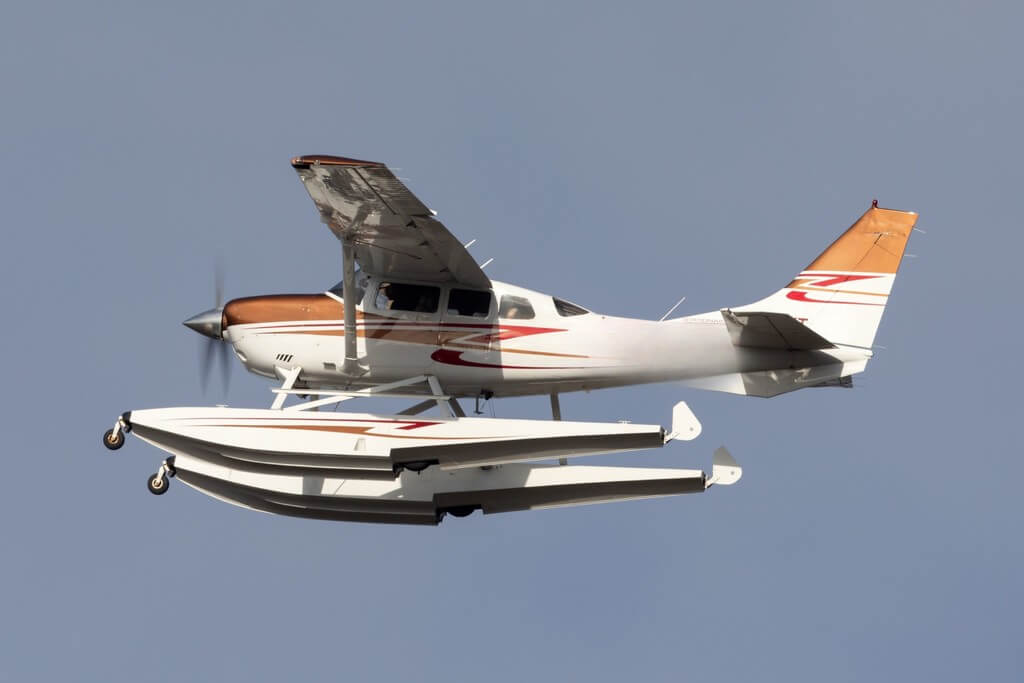
Provide the exact model designation from the aircraft records, including the engine configuration and installed equipment. Identify wheels, floats or amphibious equipment and any planned seasonal changes. A Cessna 207 submission should identify that aircraft accurately rather than be grouped automatically with 206 submissions.
Describe the intended passenger and cargo activities, any commercial work and the operating locations. Include proposed off-airport, Alaska or water operations where applicable. Ask BWI to confirm how the proposed terms address those activities; an aircraft’s capabilities do not establish insurance coverage for every mission.
Organize each pilot’s current information
Provide the certificates, ratings, total flight time, time in the specific aircraft and recent flying requested on the application. Use current records, explain any uncertainty and include every pilot you want considered. Describe relevant transition or recurrent training and any planned instruction.
Do not substitute a general description such as “experienced pilot” for the requested details. If a pilot is new to the aircraft or returning after a period without flying, explain the circumstances and proposed training rather than assuming another pilot’s approval will apply.
Answer the loss-history questions accurately
Supply the claim and loss information requested on the application, with dates and explanations where required. Ask BWI for clarification if the wording or reporting period is unclear. Review the completed submission before it is sent for underwriting.
The reviewed quote data does not establish a universal surcharge for a claim or show that one factor always matters more than all others. Individual terms need their own review.
Explain use, location and storage
State where the aircraft will be based, how it will be stored and the intended operating areas. Explain personal and business flying, instruction, rental, leaseback or other activities instead of assuming they fit the same permitted-use wording.
If passengers will be carried for compensation or the aircraft will support another commercial activity, identify that explicitly. Ask about geographic limits, operational restrictions and any endorsements needed for the proposed use. Disclosing a planned operation does not itself confirm coverage for it.
Specify the coverage you want quoted
- Hull: proposed insured value and whether the request includes flight, ground-only physical damage or another stated coverage basis.
- Liability: the requested total limit and any passenger sublimit.
- Deductibles: amounts applicable in motion, not in motion and to any specified operations.
- Other requirements: ownership details and any lender, lease or contractual insurance requirements that need review.
Requests with different values, limits or deductibles are not identical coverage comparisons. Ask the broker to identify material differences before interpreting a premium difference as a saving. The issued policy, endorsements, exclusions and conditions determine coverage.
Resolve pilot approval and training conditions
When terms arrive, ask which pilots are approved and whether a named-pilot warranty, open-pilot provision or training requirement applies. Confirm any required instructor qualifications, course, timing and documentation before the intended flight.
A certificate or rating alone does not establish insurance approval. Completing a course should not be treated as automatic acceptance or a guaranteed premium reduction. Ask for confirmation of the actual proposed conditions and whether anything remains outstanding.
What the reviewed records can support
The records reviewed for this update do not support a sufficiently comparable Cessna 206 sample for a new public price range. They also do not establish a market-wide trend, a count of issued renewal policies or a fixed discount associated with a rating or training course. Use an individual proposal for your own aircraft and operation.
For the next step after receiving proposals, see our Cessna 206 renewal-review guide.
Keep the application and the quote aligned
Tell BWI when the aircraft, pilots, hull value, use or intended effective date changes. Check that the resulting proposal reflects the updated request. Compare full annual premiums separately from installment payments, fees and financing charges, and confirm the offer’s validity and proposed policy dates.
Request a Cessna 206 insurance quote, call 800-666-4359 or email [email protected]. BWI can help organize the submission and explain the proposed terms. Coverage is not effective until confirmed in writing.
Continue Reading

